

An Operating Model to Make Social Innovation Stick
The former chief innovation officer at USAID outlines a way for social sector organizations and funders to build innovation into their DNA.
The former chief innovation officer at USAID outlines a way for social sector organizations and funders to build innovation into their DNA.

By speaking up about money and acknowledging the many choices they have, funders can more effectively channel their full spectrum of resources to achieve change.

By focusing on four critical aspects of land rights, businesses can not only manage risks, but also do a great deal of global good while strengthening their bottom lines.

Corporate programs that focus on women’s economic empowerment need to incorporate women-centered, context-specific design and business-aligned measurement from the start.
Bringing non-family members, people with diverse perspectives, and professional advisors into decision-making can help family foundations take greater risks and bolder action toward their missions.

A new era of business collaboration is rising to address humanitarian crises, and the humanitarian sector can help bring these new models to scale.

This article series, produced in partnership with Business Fights Poverty, explores how global companies are stepping up to help achieve the Sustainable Development Goals, and includes practical ideas and guidance for business leaders of today.

Only 19 percent of nonprofit executive team members strongly agree that their teams focus on the right work. To improve the performance of these vital groups, leaders should ask five critical questions.

An excerpt from Jed Emerson’s The Purpose of Capital: Elements of Impact, Financial Flows, and Natural Being
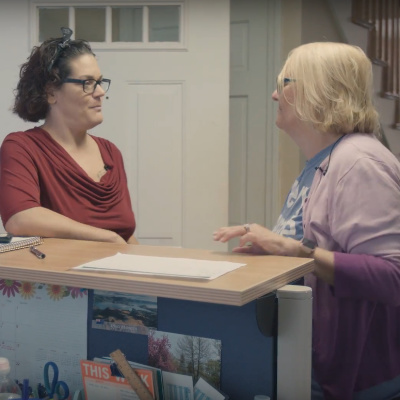
Kate Lauzon found sobriety and a role as an activist through her Massachusetts city's weekly resident feedback sessions, a gathering of civic groups known as "Working Cities Wednesdays" organized by Habitat for Humanity. Part of a series produced for SSIR with the support of the Hewlett Foundation.